Helping your teen cope with racism
- Last updated: 04 June 2025
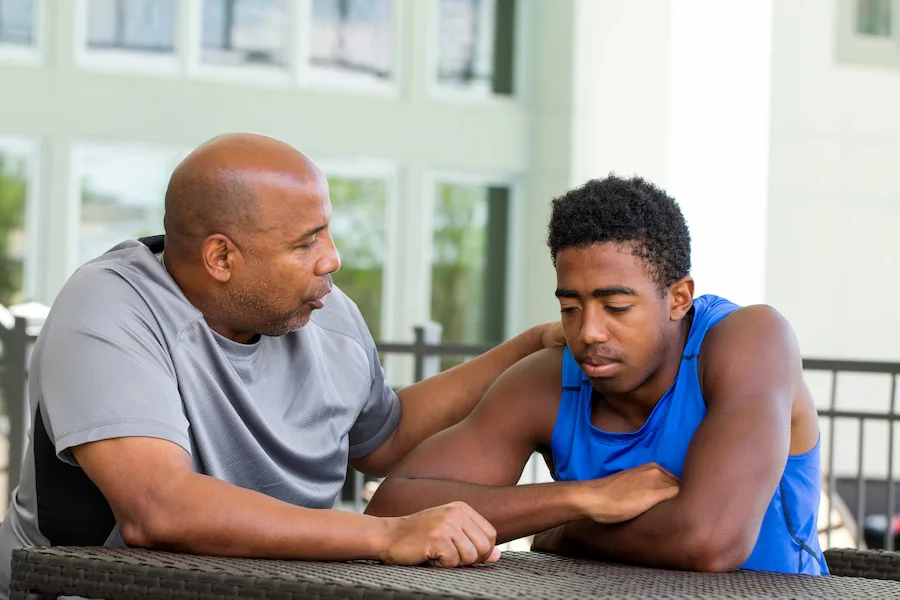
We live in a vibrant multicultural society. All of the different cultures and races that make up Australia deserve to be celebrated and embraced. However, young people who are not white, raised in a different culture, and/or speak a language other than English, face a range of unfair challenges, such as feeling misunderstood, being excluded or getting racially abused.
If your teen has experienced racism, here are some ways that you can help them through it.
Jump to:
Validate their experiences
In the face of racism, your teen might reject or downplay their race and culture in order to fit in. This might help reduce the racist actions towards them, but it isn’t a permanent solution.
Remind them that no race or culture is better than any other. Be ready to listen without judgment, and if they aren't ready to talk to you, encourage them to reach out to a mentor, teacher, or friend.
Teach them when to walk away
The most important thing when dealing with a racist incident is to make sure that your teen is safe. Deciding to walk away from someone who’s racially abusing them, or blocking someone online, is a much safer and less draining response than engaging in a never-ending debate. It’s a sign of self-preservation and strength, not weakness.
Empower them to speak up (when it’s safe to do so)
In some situations – for example, if your teen’s close friend makes a racist comment – your teen might want to speak up. This decision is completely up to them and depends on how comfortable and safe they feel.
When speaking up, your teen could ask neutral, open-ended questions like: ‘Why did you say that?’ This forces the person who made the comment to think about what they said, and gives your teen the opportunity to offer a new perspective without the situation immediately escalating.
If they’re uncomfortable in the moment, they could send a message at a later time and explain that what the person said or did hurt them. For example, they could write: ‘What you said earlier made me really uncomfortable/hurt.’
Report what happened together
If you and your teen feel that the situation has no end in sight, or has become serious, you could make a formal and confidential complaint with the Australian Human Rights Commission. You could also report the matter to the police. If you want to take this route, collecting evidence will help your case. You could take audio or video recordings on your phone, screenshot any messages or keep a diary of incidents.
If the racism is happening online, you can make a complaint to the eSafety Commissioner.
Help your teen build cultural pride
A strong sense of self and pride in one’s background can increase confidence and resilience and help your teen cope with racism they might experience.
You could help your teenager build cultural pride by attending religious, cultural or community events where they get to meet other young people like them. You could also explore family history, cooking, or traditional arts together.
Experiencing racism can make a young person feel isolated and alone. Creating opportunities for them to feel seen and celebrated can create a sense of belonging.
Schedule in some self-care for the family
Dealing with racism can be draining for the entire family. After your teen is out of immediate harm’s way, they might need to do something to improve their mood and recharge their batteries. It also takes energy to support someone else, so you could do something with them, or take some time for yourself. Make sure you and your teen do some activities you enjoy, such as sport, gaming, meditation, music or art. Read more about self-care ideas for the whole family.
Did you find what you needed?
I need to know more - Learn how you can support your teen when they experience discrimination.