Understanding teenage peer pressure
- Last updated: 28 July 2026
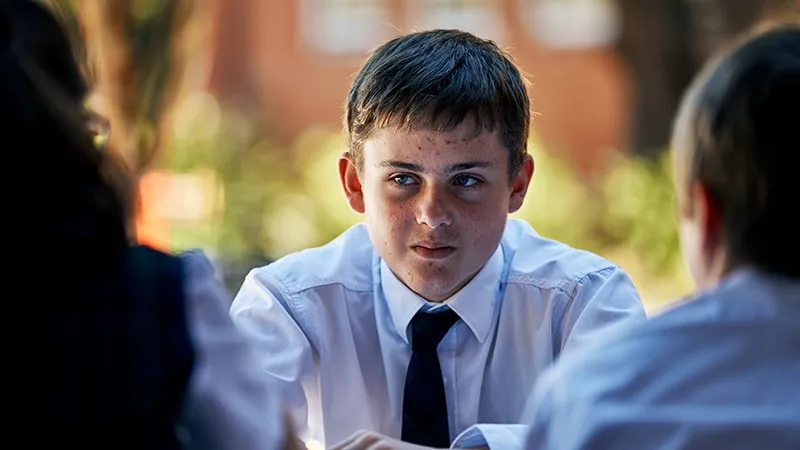
It’s normal for young people to worry about fitting in, especially during adolescence, when peer groups play a big role in shaping how they think and behave.
‘Peer pressure’ refers to the influence that these groups can have on how an individual thinks and acts. You can often get a sense of who your child’s peers are by paying attention to who they spend time with and talk about.
Learn how to support your child to recognise peer pressure, understand how social media can amplify peer influence, and build confidence in being themselves.
This can help if:
your child is constantly worried about ‘missing out’ or not fitting in
you’re concerned about the peer influence of your child’s friends
\you want to know some peer pressure examples to keep an eye out for.
What is peer pressure?
A young person can experience peer pressure in varying degrees. Sometimes their peers may proactively influence them to behave in certain ways and at other times they may be just following along. Both of these situations are based on seeking approval, but it is also possible for peer pressure to be a result of bullying. This is when your child fears being teased or physically hurt for not conforming.
Today, peer pressure extends beyond in-person interactions to online spaces, where social media can intensify feelings of needing to fit in or fear of missing out (FOMO).
Who are my child’s peers?
Your child’s peers are those they admire and consider to play an important role in their life. Depending on your child’s lifestyle, they may have several different peer groups. They generally come from places where your child spends their time – at school, in sport or hobby groups and in the local neighbourhood. If your child uses the internet, their peers can also include people they meet online through forums and social media platforms.

We want to hear from you!
Tell us about your experience using ReachOut in this confidential 10-minute survey for the chance to win a voucher worth $100. Your feedback helps us improve our support for families across Australia.
How does peer pressure affect teenagers?
You may associate peer pressure with negative outcomes such as your child trying alcohol, smoking or drugs. However, peer pressure can also allow certain groups to have positive influences on your child. There are two key types of peer pressure that can affect your child – negative and positive peer pressure.
There’s no way of knowing exactly how your child will be affected. Peer pressure can influence any area of your child’s life, from their taste in music to their choice of school subjects.
Examples of positive peer pressure include:
a sense of belonging and support
increased self-confidence
introduction to positive hobbies and interests
reinforcement of positive habits and attitudes.
Examples of negative peer pressure include:
pressure to drink alcohol or use cigarettes and drugs
peer pressure to engage in risk taking behaviours
distraction from schoolwork
distance between family and existing friends
drastic changes in behaviour and attitudes
feeling pressured to conform to unrealistic social media standards or online behaviours
Teenage peer pressure and mental health
It’s important to remember that peer influence and pressure is a normal part of adolescence. As your child starts moving away from the parent-child relationship and seeking their own independence and identity, their peers will become more important to them. However, if you’re concerned about the effects of peer pressure on your child and think that it’s negatively impacting their life, check out our guide on how to deal with peer pressure.
Peer pressure and social media
Social media can create new challenges around peer pressure that parents should be aware of. In the video below, Hayley and her mum Lisa chat about what this means for them and share their ideas for dealing with it.
For more on social media and teen wellbeing, explore our Likes & Limits collection for expert advice and strategies to help your family thrive in the digital world.
Did you find what you needed?
I need to know more - Read about negative friendships and supporting your teenager.